Notes
September 2026
当代设计悖论的美学反思 (2026-09-28 14:34)
周宪:
当代设计的确越来越智能,但它对于人的技艺提升仅限于新技术框架,超越这个框架的技艺却日渐衰落。
技术装置的机制(如集中供暖设备运行)与商品(家庭暖气开关)的分离是现代技术的装置范式的特征,而装置范式全面重构了人们的生活方式,包括行为方式、思维方式和情感方式。
自 20 世纪下半叶以来,以用户为中心、用户友好和便利性等一直是主导取向,统治着整个工业设计、数字设计和其他设计领域。当资本与技术融为一体时,这些设计原则似乎是无可厚非的,无需反思。因此,设计美学越来越倾向于感知体验和注意力获取,美学本身所带有的静观沉思和批判性反思便淡化了。这种一味追求平滑效果的无摩擦设计取向,深刻重塑了装置范式及人的行为方式。
人在装置范式的操作中发生了身份转变,从一个通过摩擦来获取新知识和新技艺的探索者,降格为一个按指令操作的“机器人”或“傻瓜”。系统的“聪明”与人的“笨拙”构成了一种零和博弈:系统垄断了所有的执行逻辑,其使用者则被置于一种友好呵护的状态中。
[…] More
August 2026
Confessions of a Former Star M&A Reporter (2026-08-13 21:36)
Error
Information, though, as soon as it exists, strains against containment. It’s active. Seeking an out, it breaches promises, firewalls and duties, ironclad non-disclosure agreements, and people — mostly people — to make itself known.
Most reporting, though, isn’t like that. Mostly it involves talking to people in quite boring, well-lit places and gathering the scraps needed to make a story. Fortunately, people like to talk.
A simple formula for deal reporting is that Success = Relationships x Indiscretion.
And it’s through this indulgence, the way we thrill at not just knowing more than our companion but showing him that we do, that confidences find easy passage.
To give them their dues, most don’t, at least not in big, gut-spilling ways. They deal in factoids, obliquely confirming and correcting, hinting and steering and shaping and curating their role, because no one wants to be the source — a source maybe, or one of many who helped you get it over the line, or, better still, the I can’t say but I would say if you were wrong person. No one wants to feel compromised or leaky. Part of the deal reporter’s job is reassuring her sources that they are not sources.
Envy too is here. [...] All can seek solace in leaking to damage their rivals.
Crime
Organised crime is quite a recent and yet profoundly relevant factor in deal reporting today. At the time I left the beat in 2023, the volume of information coming in from so-called Mystery Men had risen over five years: from almost nothing to about a quarter of all the tips our team received.
Established media is perfect for achieving this. It disseminates information widely and impacts heavily because it is (mostly) believed.
This confirming process turns stolen material into laundered, market-moving facts. And it does so with little risk of capture because the media works differently from other repositories of ill-begotten product. While banks are legally required to refuse or report sources of dirty money, the media will die to protect those who provide it with information.
[…] More
“竹知了”事件背后的舆情根源 (2026-08-06 14:18)
燕志华:
此事或将有助于人们看清中国式网络公关,往往扮演了网络“幕后黑手”角色的事实。这个说法不是针对华为,而是我对中国当下公关领域进行常年扫描之后得出的个人观点。
我由于工作和研究的关系,较为经常地和一些大厂、中小厂的公关部门人员接触,也有一定的交流。总体看来,他们都较为专业和敬业,在面对国内频繁爆发的企业舆情时,他们时时处于救火队长的战斗状态,因此经常性地陷入内卷和焦虑,更导致某种职业性的应激状态,就是会较多表现出对于网络黑手、黑公关、灰公关、对标的对手“网络搅浑水”行为、乃至想象中的网络攻击行为的警惕和敌意,不光防止对方攻击,自己也处于一种随时投入战斗的“佩刀武士”状态。
但是我通过一些观察,形成了一个小小的负面观感,就是这个为数不少的职业群体中,也有少数人可用如下负面词汇描绘其画像:咋咋呼呼、杯弓蛇影,制毒售毒、贼喊捉贼;整天喊着黑公关、灰公关搞坏生态,其实自己就是黑公关、灰公关。
[…] More
June 2026
Why smoking is unbannable on railway platforms in China (2026-06-27 07:20)
财新:
车站虽受国铁集团管理,但作为企业,无论国铁集团还是其下设的卫生监督所,都没有执法权。一名地方铁路系统人士介绍,车站和铁路卫生监督部门均无行政处罚权和罚没权,收缴罚款也无法上缴国家财政。
那么,谁才能开出罚单?华东交通大学铁路法治研究院院长朱新建称,铁路系统内真正有执法权的是铁路公安和铁路监管局。但铁路公安的执法主要集中在《治安管理处罚法》和《铁路安全管理条例》,让他们在站台上针对控烟执法不太现实;铁路监管局的职能是监督铁路运行安全和施工安全,不涉及旅客健康事务。
尽管 2019 年修订后的深圳控烟条例将高铁站台划入禁烟区,但时至今日,深圳北站尚未开出一张罚单。
“我们也提出来,如果你们不干,授权给我们来干。”深圳市控烟办相关负责人称,他们曾与铁路部门多次沟通,希望对方授权控烟办进入深圳北站候车大厅和站台执法,但车站认为涉及人身和铁路运营的安全问题,没有答复。
[…] More
关于规范使用人工智能工具:致《文艺研究》编辑部的一封信 (2026-06-26 23:13)
徐贲:
学术共同体真正应当追究的是责任(responsibility),而不是来源(origin)。因为来源从来都是混合的,而责任必须是明确的。
传染性授权的得与失 (2026-06-25 06:39)
[Paraphrasing an opinion video] A24 拍的《后室》避开了开源的后室 Wiki,选择了 YouTube 创作者 Kane Parsons 的个人宇宙,以换取独占的商业路径;而社群创作的「SCP 基金会」世界观则受困于其采用的 CC BY-SA 3.0 协议,导致好莱坞资本因合规风险不敢介入,其影视化只能在社群众筹的圈子里艰难推进。[End of paraphrase]
[双重] 授权协议的签订理论上需要全体版权人达成共识,这在实践中几乎不可能,光是联系历史上参与过编辑的每一位作者就是一项浩大的工程,更别提挑战性更高的后续如何分配「蛋糕」的问题了。
在 IP 孵化期(影响力从 0 到 10),传染性授权能依靠共享激发社区协同创作、扩大 IP 的传播范围与影响力;可到了破圈期(影响力从 10 到 100),传染性又反而会在某种程度上阻碍 IP 的进一步扩圈 […]
[…] More
‘Welcome datacomp’ (2026-06-23 07:00)
[According to John Norstad, the creator of the definitive free Mac antivirus app,] it’s a practical joke in the ROM code in some third-party keyboards [that if you didn’t type anything for a while they would themselves type “welcome datacomp”.]. The only solution is to get your bad keyboard replaced.
My guess is that this wasn’t a practical joke as much as some sort of firmware test gone awry, but regardless, “welcome datacomp” managed to appear in numerous publications, as Haller’s post details.
In memory of the man who put red and green squiggles under words (2026-06-23 06:17)
In early versions of Word, the Spell Check feature was something that you explicitly invoked, and then you had to sit and wait while the program looked for all your potentially-misspelled words, and then showed them to you one at a time for a decision on what to do for each one. Word did introduce an Auto Spell Check feature to run spell check when the user was idle, so that when you hit the Spell Check button, the results were ready to go. However, the Auto Spell Check was still a blocking operation. As a result, a lot of users turned it off because it always seemed to decide “Now would be a good time to spell-check the document” just as you wanted to do something, forcing you to wait for the spell check pass to complete before you could, say, save and exit.
Tony [Krueger] made the spell checker much more unobtrusive so that it didn’t interfere with your foreground work. And when it found a problem, instead of waiting for you to trigger a spell check, it immediately drew red squiggles under potentially-misspelled words (and later green squiggles under potential grammatical errors).
Note (2026-06-21 15:33)
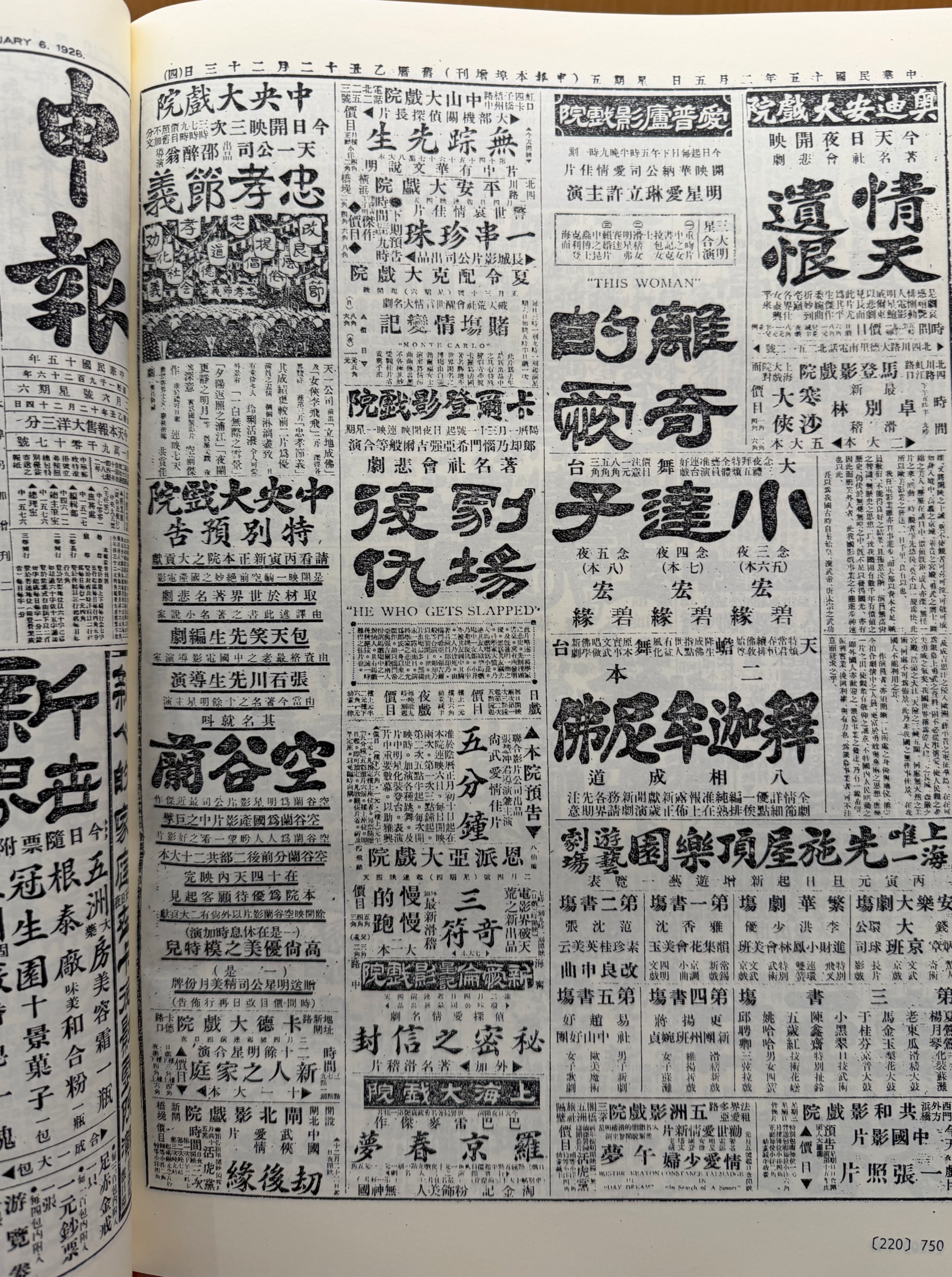
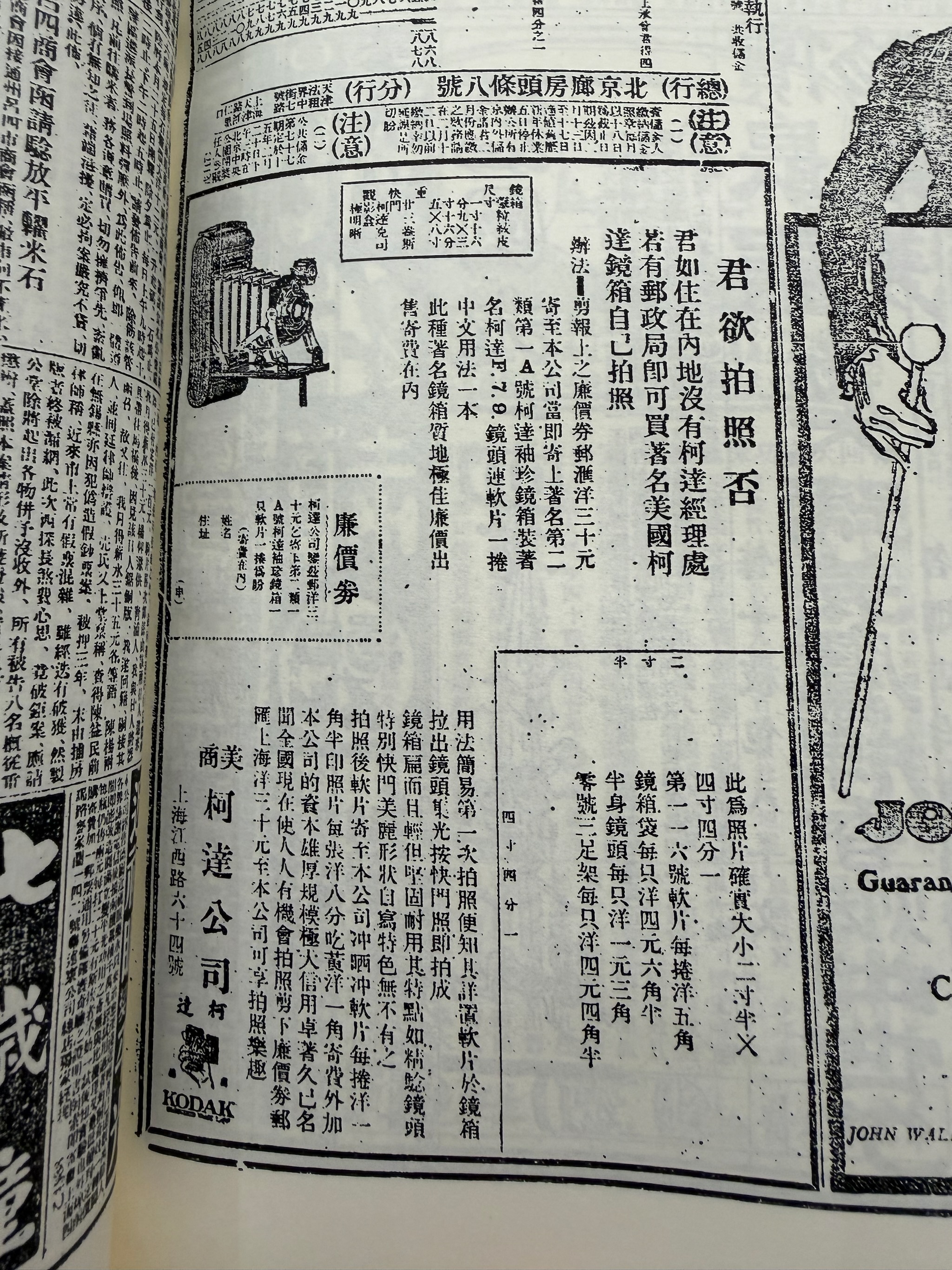
看看报纸。
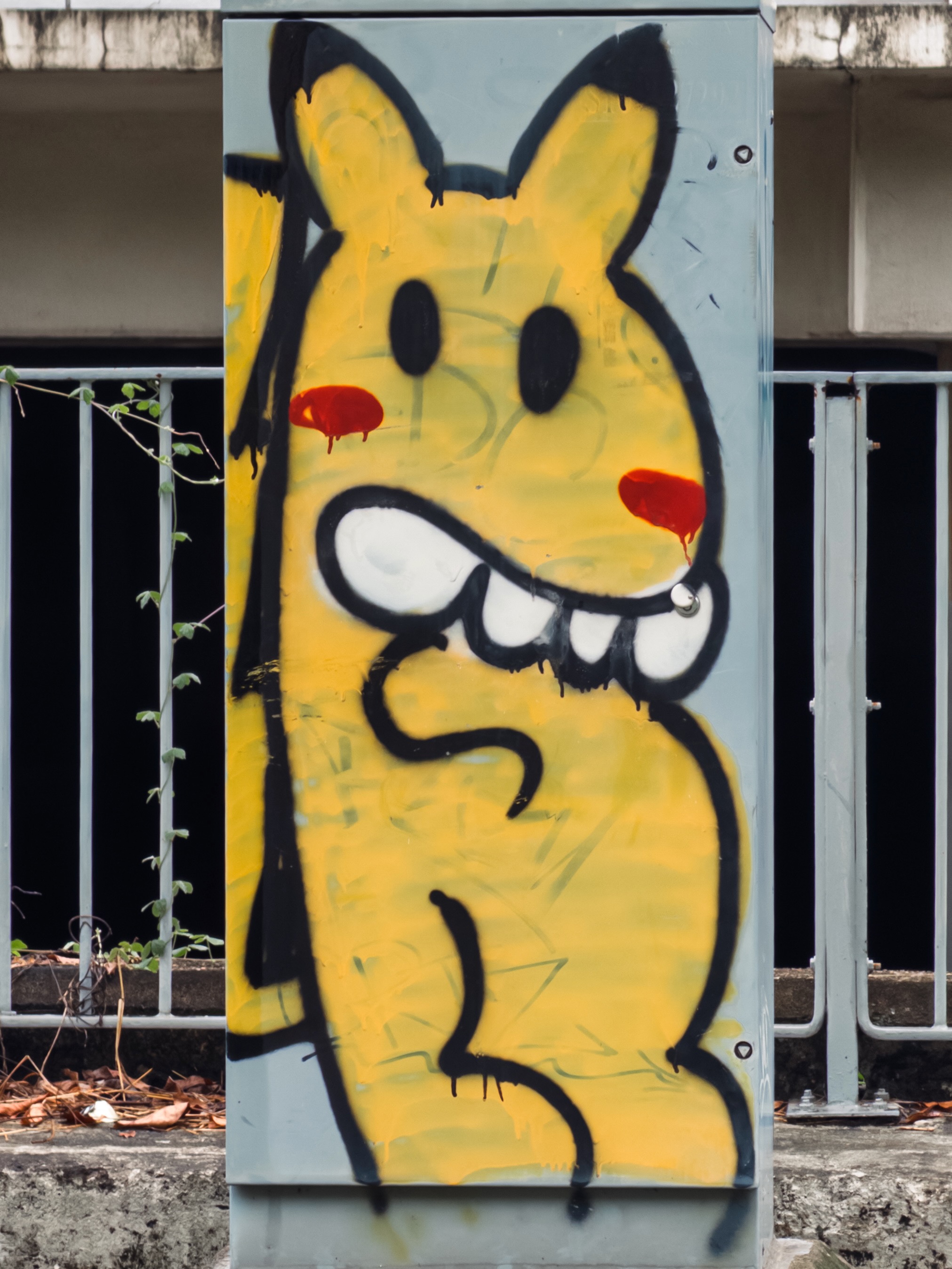
pikabubu (2026-06-13 15:00)
Oura 4 to 5 (2026-06-06 23:32)


May 2026
Day for Night (2026-05-29 17:57)
But there’s a trick [to invert black and white while preserving colors]: do a regular invert and then rotate the hue halfway through. Through the magic of math, this is the same as inverting just L in the HSL space, which means the colors are preserved.
…and, more importantly, [this is] available in CSS as a filter: instead of
invert(1), usehue-rotate(180deg) invert(1).
一个冷门的速查日历方法 (2026-05-27 16:22)
就是终端里的 cal 命令了。之所以喜欢用这个首先是因为快:我平时固定是开着终端的(作为 vscodium 的底部面板),码字过程中直接打个 cal(pun intended)就能看当月日历,比打开日历应用或者 menubar item 都要快。其次因为是终端输出,就是纯文本,可以直接复制到笔记里参考或者进一步标注。当然缺点就是比较简陋,不过我本来就喜欢这种野兽派纯文本风格,所以反而是加分项了。
以下是一些常用选项和参数:
# 显示 2025 全年
cal 2025 # shorthand for `cal -y 2025`

# 显示今年 3 月
cal -m 3

# 显示本月和紧邻的前后月份
cal -3

# 旋转行和列(每周为一列)并显示周数
ncal -w # shorthand for `cal -N -w`
更多用法可以看手册页 man cal。如其中的 history 一节所说这也是个上古命令了,从 Version 1 AT&T UNIX (1971) 就有,几十年就是这样下来了(
Note (2026-05-27 13:00)
don’t feel even a bit prepared for homeownership
Love Is to Be Invested in Someone’s Continual Expansion (2026-05-26 20:20)
[E]ach time she’d grown and changed, I had felt something open up in myself. Her changes had become prompts that pushed me toward a higher, truer version of myself, just as my changes had been for her. Change answering change, it was a virtuous loop.
With your children, it becomes very clear that the love you feel has little to do with who they are or what they do.
In more superficial relationships […] you assign value to the other person because of what they do. […] But with your children, the value, to a large extent, flows in the other direction.
Adult love isn’t fully unconditional like this. There are things you would never value, even if your lover does, and there are things they could value that would make you stop loving them. But still, there is a sense that to love someone means to extend your care to the things your partner cares about to some degree.
[T]here are […] two levels at which you can extend your values like this. On the first level, you do what I did when I cut down the pines; you do it out of duty and without connecting to the values.
[T]his kind of care that doesn’t come from a deeply felt space can be grating and unpleasant both for you and the person you give it to.
[T]here is a second level at which to approach this, a more transformative level. It is when you actually learn to feel what the other person is feeling. It is when you stretch out with your imagination into the unknown and learn to merge their values and perspective into your worldview. This is one of the most profound experiences that love gifts us.
To aspire is to want to want something before you actually want it.
[…] More
Note (2026-05-24 22:26)
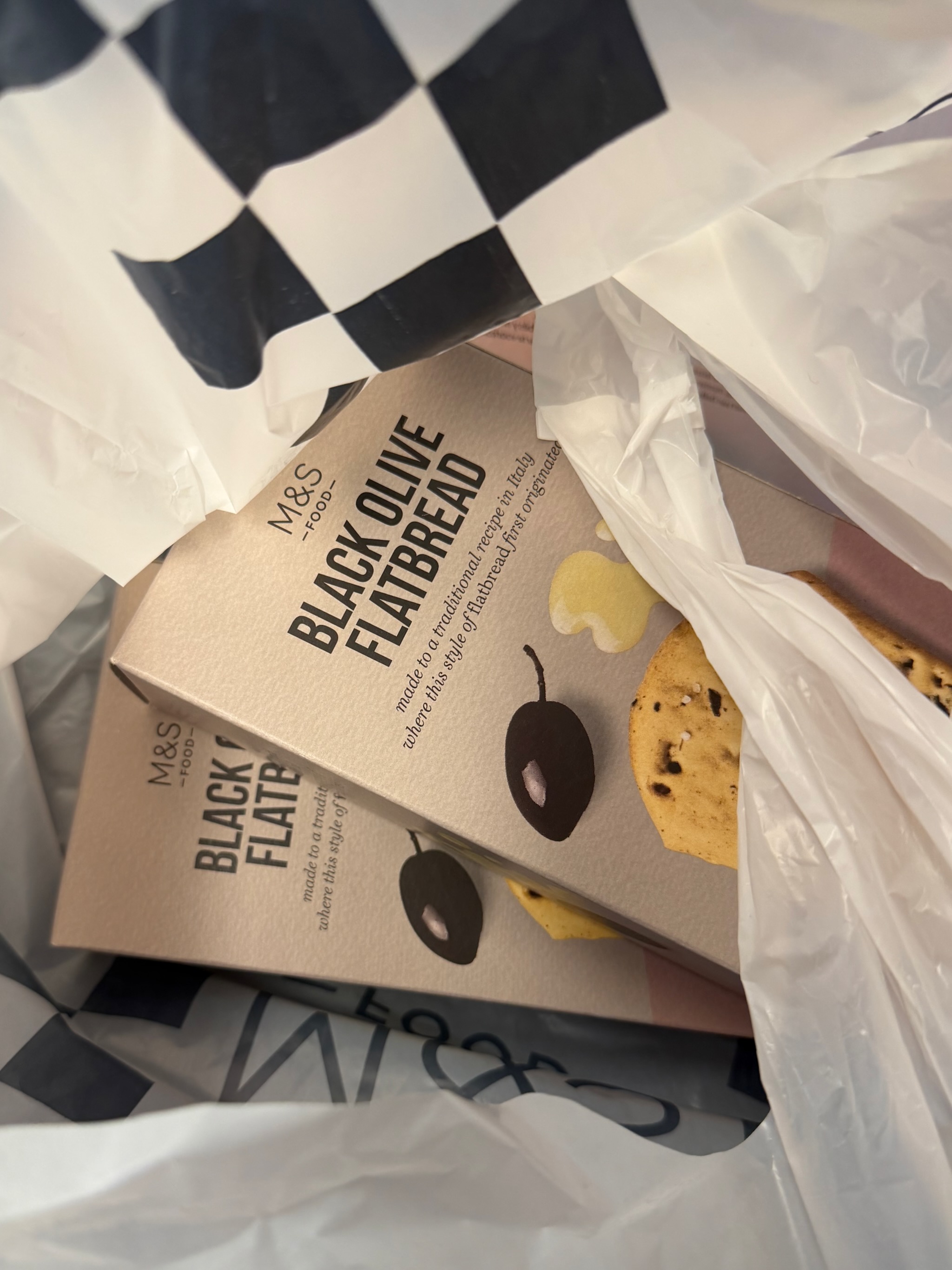
new findings from m&s

Repetitive Cycles (2026-05-19 22:07)
[Chinese retail investors’ (Sanhu 散户)] attachment [to derive meaning from their past failures, unsatisfactory present, and expected future] can be situated in what scholars have described as a form of political depression, particularly what Lauren Berlant (2011) calls cruel optimism: an attachment to a promise widely recognised as fragile, even illusory, yet difficult to abandon, despite hostile circumstances.
This resolve stems from a larger developmental temporality that has deeply structured life in reform-era China and under which malfunction is often treated as evidence of progress rather than failure. From the 1990s, periods of market turbulence were seen less as structural failure than as moments of adjustment within an evolving, maturing system. Sanhus of older and younger generations continue to describe the stock market as ‘primitive’ and ‘developing’, echoing the vocabulary used by the state to narrate the course of national development.
The Slow Death of the Power User (2026-05-18 15:54)
The YouTube tutorial is the perfect emblem of this rot. Tutorials are not documentation. A tutorial teaches you to perform a specific sequence of steps to achieve a specific outcome. The steps are usually correct for the specific scenario the tutorial covers. If your scenario differs — if something’s changed, if you get an error the tutorial didn’t anticipate, if you’re using a different version — the tutorial has given you no tools to respond. Documentation teaches you to understand a system: what its components are, how they interact, what the configuration options mean and why they exist, what the error messages indicate. One produces people who can follow instructions. The other produces people who understand what they’re doing. The industry has enthusiastically replaced the latter with the former and called it democratization.
The Life and Times of an American Tween (2026-05-15 21:13)
The Structure of Adolescence
[Middle school marks] a time when kids begin to pull away from their parents, discard childish pursuits, and pursue, full thrust, the exhausting project of individuation. It is a period of intense, hormonally driven emotional flux. Self-consciousness sets in. The adult world is studied and emulated in a manner that suggests praxis but no theory. There is an aspect of camp to it all: a kind of LARP or drag, as young people transition from play-acting adulthood to inhabiting it. Actual adults are ancillary. Tweens and teens look to each other for clarity and guidance on how to behave and how to feel, all the while gambling with each other’s social confidence and self-esteem. It is natural, and it is psychotic.
The psychoanalyst Erik Erikson described the period between twelve and eighteen as one of essential identity formation: a time of trying on personas and roles. Writing in the mid-twentieth century, Erikson was sensitive to the ways that society could shape personality, but no one could have anticipated the explosion of potential identities, interests, aesthetics, subcultures, and life styles that children would be exposed to by globalization and, later, the internet.
Adolescent anxiety and depression have been on the rise for years, and there is abundant public debate about why: economic inequality, strained family ties, sleep deprivation, smartphones. Childhood has never been easy, but these days the on-ramp to adulthood seems somehow shorter and more perilous.
The Private Room as Self
For any adolescent, a private bedroom is both sanctuary and mood board. It’s a safe haven for experimental selfies, a shelter for incognito-mode Google searches, an internal switchboard for the exchange of secrets and dreams.
Ritual and the Projection of Future Selves
It would be easy, having made it safely past the shores of puberty, to make light of these rituals and ablutions. But the rituals are very important — in fact, they’re everything. They’re experiments with externalizing private self-perceptions, and dalliances with potential selves. They’re a way of projecting into the future: to imagine being noticed, maybe even seen.
[…] More
AI 裁员潮卑鄙生存指南 The Unethical Guide to Surviving AI Layoffs (2026-05-13 13:05)
So Coinbase laid off a bunch of people last week, and the CEO sent out this letter, and by letter, I mean tweet, a really beautifully written tweet, explaining that the layoffs were not because of mismanagement. No, no, no, no, no. Brian Armstrong was a victim. We’re all victims. The AI was just too damn productive.
上周 Coinbase 裁掉了一大批员工,CEO 发出了一封信——确切地说是一条推文,写得极其「漂亮」。他解释说,裁员并不是因为管理不善。不,不,不。Coinbase 老板也是受害者,我们都是受害者。怪只怪 AI 的生产力实在太 TM 高了。And I mean, he tried. He got on his knees and he begged the GPUs to slow down. It’s like, please think about the families, but it was no use. The productivity gains were already realized. Now, this isn’t an economics video. This is a survival video. The question is, what do you do to survive? You become the problem.
我是说,他尽力了。他甚至跪下来哀求 GPU 慢一点。他就差没说,「请为那些家庭考虑一下吧!」但没用,生产力的飞跃已经实现了。听着,这不是一段经济学视频,这是一段生存视频。问题是:为了活下去,你该怎么办?答案是:让自己成为那个「问题」。
[…] More
True resilience is not about bouncing back (2026-05-12 23:10)
Endurance is getting through; recovery is getting better. Despite Holling’s distinction [that real ecological resilience wasn’t about snapping back, but about persistence], we have continued to confuse the two, and this confusion has consequences. Whereas endurance can be demanded of someone, recovery requires support. Glorifying endurance shifts attention away from systems and places expectations on to individuals.
You break down, repair, and rebuild something new. The challenge itself doesn’t make you stronger, your response does. No recovery, no gain. In the gym, we understand this. In life, we pretend the damage didn’t happen, and call it strength.
Note (2026-05-12 20:39)
电鸡(nvidia inside)

Note (2026-05-11 20:32)
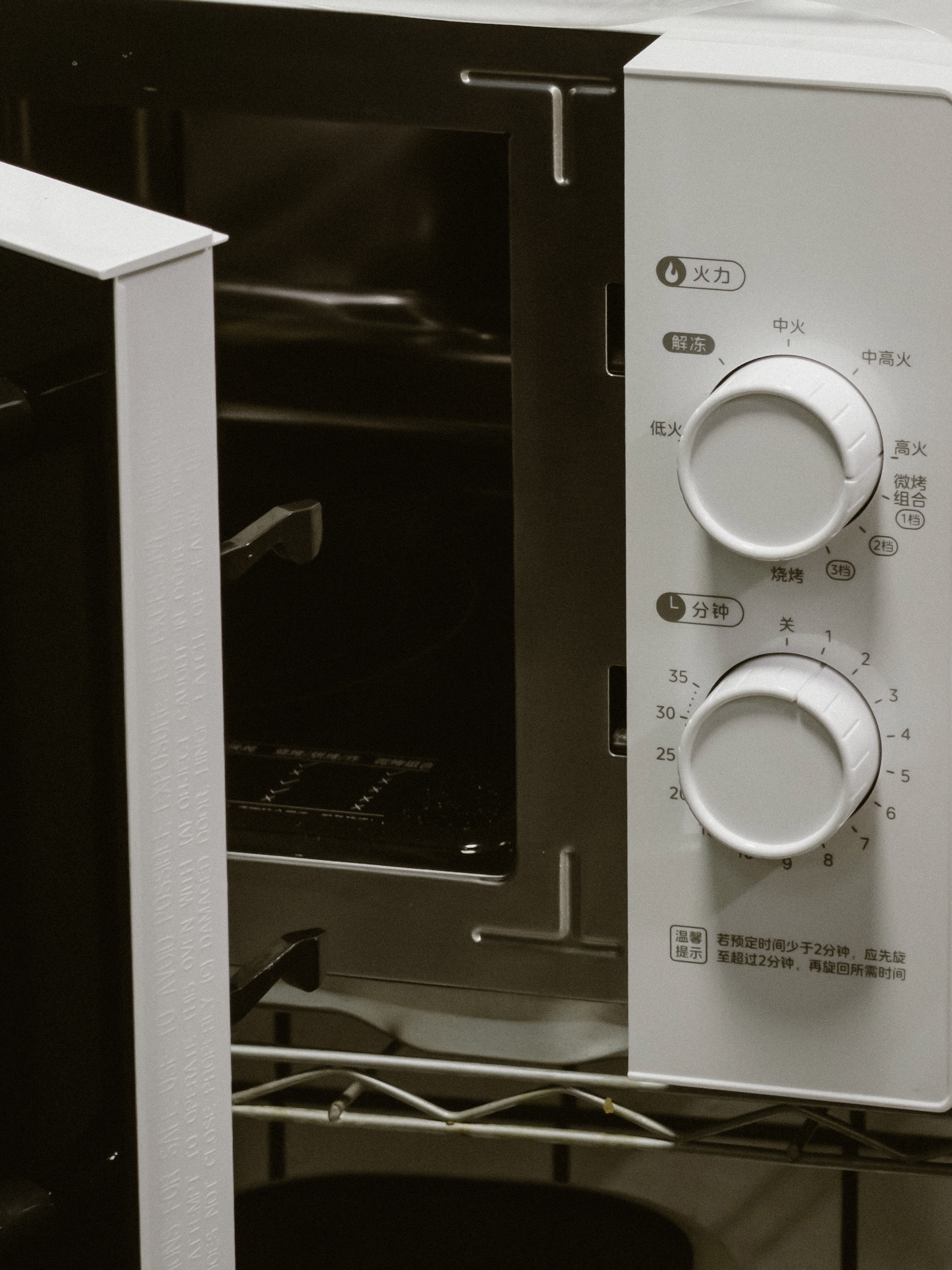
米家用了两年跪了,换了个不能联网的 dumb 微波炉,神清气爽
Note (2026-05-10 19:11)
美妙

Most vibe-coded tools are not for you (2026-05-07 05:29)
Tools created through AIs hurt my brain, I decided, because they’re often devoid of three fundamental qualities of good tools: reach, sociality, and finish.
In a way, thanks to AI, we’re making tools of ourselves (pun intended): much like we do when we create agentic skills out of interesting sessions, we condense our thoughts and intent into code. The resulting tool will carry our cognitive fingerprint: to use it effectively, you must be attuned to the way its creator thought, which is neither ideal nor fair. A tool with reach loosens that grip. It works for people who don’t think the way its maker does, or it grows until it can.
What makes tools social is a subtle combination of affordances, community participation, and the dialectic exchange between users and developers.
The lack of finish also means that tools are not thoughtfully designed, which makes their evolution improbable. A good tool can be refined, expanded, modularized, perhaps even merged with another tool. A thoughtful tool invites its own evolution; a careless one resists it. When you can’t tell where a tool’s boundaries are, it can’t grow.
Some of the best tools in history started as scratches-for-an-itch projects. They became universal because someone cared enough to finish and socialize them. For the stuff we create using LLMs to become tools, a README file and a catchy GitHub project name are not enough: We ought to ask ourselves whether what we’ve made can survive contact with someone else’s problem, and whether we’d trust it enough to maintain it.